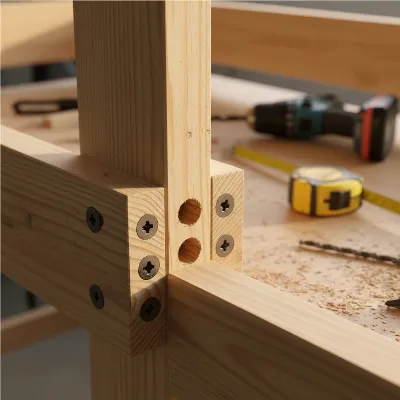
Maximizing space in a shared bedroom or a compact living area often feels like a challenge, but modern furniture solutions offer ingenious ways to combine functionality with style. Bunk beds with built-in trundles and drawers are stellar examples, transforming a single footprint into a multi-purpose hub for sleeping, storage, and even guest accommodation. These versatile pieces are no longer just for children’s rooms; they’ve evolved into sophisticated designs that cater to various needs and aesthetics. This comprehensive guide will navigate through the advantages, types, materials, and crucial buying considerations, helping you select the perfect bunk bed to enhance your family’s living space.
Advantages and Disadvantages of Bunk Beds
Bunk beds have long been celebrated as a smart solution for optimizing bedroom layouts, especially when space is a premium. Their vertical design inherently saves valuable floor area, making them ideal for shared children’s rooms, small apartments, or guest accommodations. Beyond mere space-saving, many bunk beds now come integrated with trundle beds and storage drawers, elevating their utility significantly.
The primary advantage is undoubtedly space efficiency. By stacking sleeping arrangements, you free up floor space for play, study areas, or additional furniture. Integrating a trundle bed provides an extra sleeping spot for sleepovers or guests without needing a separate mattress or sacrificing permanent space. Built-in drawers offer discreet storage potential, helping to keep rooms tidy by stashing away clothes, toys, or bedding. This promotes tidiness and organization, teaching children to manage their belongings effectively. From a financial perspective, a bunk bed with a trundle can also be more cost-effective than purchasing two or three separate beds. Finally, bunk beds often foster a sense of fun and adventure for children, turning bedtime into an exciting experience.
However, bunk beds also come with certain drawbacks. Safety concerns are paramount, particularly the risk of falls from the top bunk, which necessitates strict age guidelines (generally six years and older for the top bunk) and robust safety features like guardrails. The elevated design can limit privacy for the occupants, and changing sheets on the top mattress can be a challenging and inconvenient chore. Additionally, their height requires adequate ceiling clearance, making them unsuitable for rooms with very low ceilings.
Popular Types of Bunk Beds with Built-In Trundles and Drawers
The evolution of bunk bed design has led to a wide array of styles, many of which ingeniously incorporate trundles and drawers to enhance their utility. These variations cater to different spatial needs and aesthetic preferences, ensuring there’s a perfect fit for almost any room.
Traditional Bunk Beds with Storage: These classic designs feature two beds stacked vertically, often with a ladder for access. Modern iterations frequently add integrated drawers beneath the bottom bunk or a pull-out trundle bed, turning a standard sleeping unit into a storage or triple-sleeping solution.
Trundle Bunk Beds: Specifically designed for accommodating extra guests, these bunk beds include a third mattress stored neatly on a roll-out frame beneath the lower bunk. When not in use, the trundle slides back, preserving floor space. Some models cleverly combine the trundle with small drawers on either side.
Staircase Bunk Beds: Replacing traditional ladders with a sturdy staircase, these designs offer a safer and easier ascent to the top bunk. The steps themselves are often hollow, providing invaluable built-in storage compartments, perfect for books, toys, or clothing, which can be combined with under-bed trundles or additional drawers.
L-Shaped Bunk Beds: In this configuration, the top bunk is positioned perpendicularly to the bottom bunk, creating an “L” shape. This layout often leaves open space underneath the top bunk, which can be utilized for a desk, seating area, or additional storage units, including integrated drawers or a trundle bed positioned below the perpendicular bottom bunk.
Loft Beds with Storage and Trundles: While technically not a “bunk bed” in the traditional sense of stacking two main beds, a loft bed features a single elevated bed, freeing up the entire area underneath. This space can be customized with a built-in desk, shelving, a wardrobe, or a trundle bed for occasional guest use, along with ample drawer storage. These are excellent for single occupants who need maximum functionality from a compact footprint.
Captain’s Bunk Beds: Often synonymous with storage-rich designs, Captain’s Bunk Beds are characterized by a series of drawers and sometimes open shelving built into the base of the bottom bunk. This style maximizes storage within the bed’s frame, and many also include a pull-out trundle bed, making them ultimate space-savers for small rooms.
Each of these types offers unique benefits, allowing homeowners to choose a design that best aligns with their specific requirements for sleeping capacity, storage, and room layout.
Comparing Bunk Bed Materials
The material of a bunk bed significantly influences its durability, aesthetics, safety, and price point. Understanding the common options—wood, metal, and plastic—can help you make an informed decision that suits your needs and budget.
Wood Bunk Beds:
- Solid Wood (e.g., Pine, Oak, Maple): Solid wood bunk beds are highly popular for their classic appeal, warmth, and robustness. Hardwoods like oak and maple are incredibly durable, resistant to dents and scratches, and can last for decades with proper care. Softer woods like pine are more affordable and still offer good durability, though they may be more prone to minor aesthetic wear over time. Wood beds can be stained or painted to match various décor styles, and their natural grain adds a touch of timeless elegance to any room.
- Pros: Excellent durability (especially hardwoods), aesthetically pleasing, warm and inviting feel, can be refinished, safe and stable.
- Cons: Can be more expensive (hardwoods), susceptible to moisture damage if not treated, requires regular maintenance (dusting, polishing), softwoods can scratch easily.
- Engineered Wood (e.g., MDF, Particleboard): These materials are often used in more budget-friendly bunk beds. They are made from wood fibers or particles bonded with resins. While offering a uniform appearance and being more affordable, they are generally less durable than solid wood and more susceptible to moisture damage and chipping.
- Pros: Cost-effective, consistent appearance, lighter weight.
- Cons: Less durable than solid wood, easily damaged by water, not suitable for heavy use.
Metal Bunk Beds:
- Steel or Aluminum: Metal bunk beds, particularly those made from high-quality steel, are renowned for their exceptional strength, stability, and modern, industrial aesthetic. They are often more resistant to scratches and dents than wooden beds and are less susceptible to pests like bed bugs. Their sleek design makes them a popular choice for contemporary interiors or dorm-style settings. Aluminum is lighter but generally not as strong as steel.
- Pros: High durability and strength, pest-resistant, modern aesthetic, easy to clean, often more affordable than solid wood.
- Cons: Can rust if coatings are compromised or exposed to moisture, industrial look may not suit all decors, can be cold to the touch.
Plastic Bunk Beds:
- Plastic is less common for the primary structural frame of adult or multi-purpose bunk beds but is sometimes found in themed children’s beds or as accent components. While lightweight and often colorful, plastic bunk beds typically offer lower durability and stability compared to wood or metal, making them more suitable for very young children or occasional light use.
- Pros: Very lightweight, highly affordable, water-resistant, available in vibrant colors for children’s themes.
- Cons: Lowest durability and stability, less suitable for older children or adults, can appear less aesthetically sophisticated.
The choice of material will greatly impact the bed’s longevity, maintenance requirements, and overall look and feel within your home.
Comparison Table: Bunk Bed Materials (Wood, Metal, Plastic)
Table is empty.| Feature | Wood Bunk Bed (Solid/Engineered) | Metal Bunk Bed | Plastic Bunk Bed |
|---|---|---|---|
| Durability | High (Solid), Medium (Engineered) | High | Low |
| Price Range | Medium to High | Low to Medium | Very Low |
| Aesthetics | High (Warm, classic) | Medium (Modern, industrial) | Low (Playful, limited) |
| Safety | High | High | Medium |
| Easy to Clean | Medium | High | High |
| Weight Capacity | High | High | Low |
Guide to Choosing the Best Bunk Bed
Selecting the ideal bunk bed with built-in trundles and drawers requires careful consideration of several factors to ensure it meets your family’s needs, fits your space, and provides a safe, comfortable sleeping environment.
1. Determine Usage Needs:
First, identify who will be using the bed and for what primary purpose.
- Users: Are the beds for young children, teenagers, or occasional adult guests? This will influence the size and robustness required. Children under six years old should not sleep on the top bunk due to fall risks.
- Purpose: Is it mainly for sleeping, or do you need integrated study spaces, extensive storage for clothes and toys, or an extra bed for frequent sleepovers? A trundle is excellent for guests, while drawers are perfect for daily storage.
- Room Size: Measure your room meticulously. Consider the total floor area, ceiling height, and any obstructions like windows or doors. Ensure there’s adequate headroom (at least 30 inches or 76 cm) between the top bunk and the ceiling for comfortable sitting up. The bed’s dimensions, including any pull-out trundle or drawers, must fit comfortably without crowding the room.
2. Choose the Right Material:
Based on your aesthetic preferences, budget, and durability requirements, select a material.
- Wood: Opt for solid hardwoods like oak or maple for maximum durability and a classic look. Pine offers a more budget-friendly wooden option.
- Metal: Choose steel for superior strength, a modern aesthetic, and resistance to pests. Ensure it has a rust-resistant coating.
- Plastic: Best suited for very young children or highly temporary use due to lower durability.
3. Prioritize Safety Features:
Safety is paramount, especially with bunk beds.
- Guardrails: The top bunk must have guardrails on all four sides. They should extend at least 16 cm (about 6 inches) above the top of the mattress. Gaps between slats or rails should be small (ideally less than 3.5 inches or 7.5 cm) to prevent entrapment.
- Ladder/Stairs: Ensure the ladder or staircase is sturdy, securely attached, and has non-slip treads. Staircase bunk beds often provide easier and safer access, especially for younger children, and can include handrails.
- Mattress Fit: The mattresses should fit snugly within the bed frame to prevent gaps that could trap a child.
- Certifications: Look for beds that comply with relevant safety standards and certifications in your region.
- Stability: The entire structure should be stable and not wobble when gently shaken.
4. Select Appropriate Size and Configuration:
Bunk beds come in various sizes and configurations.
- Sizes: Common options include twin-over-twin, twin-over-full, full-over-full, and even queen-over-queen for adults. Trundles are typically twin-sized but can also be full-sized.
- Configuration: Decide if a standard stacked design, an L-shaped layout, or a loft bed is best for your room’s layout and desired functionality.
5. Consider Reputable Suppliers:
Purchase from manufacturers or retailers known for quality and safety.
- Warranty and Returns: Check for clear warranty policies and a reasonable return period.
- Customer Reviews: Read reviews to gauge product quality and customer service experiences.
- Assembly: Consider if professional assembly is required or if it’s a DIY-friendly product.
By carefully evaluating these points, you can confidently choose a bunk bed with a trundle and drawers that is safe, functional, and perfectly suited to your home.
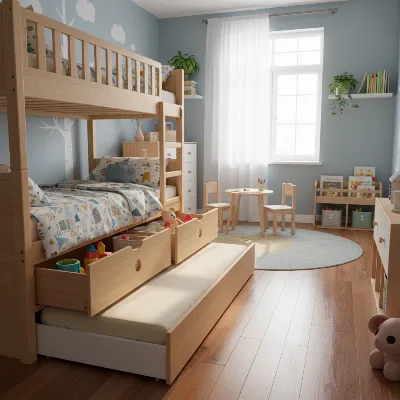 A vibrant children's room featuring a wooden bunk bed with integrated trundle and drawers
Tips for Using and Maintaining Bunk Beds
Ensuring the longevity and safety of your bunk bed with built-in trundles and drawers requires diligent usage practices and regular maintenance. Adhering to these tips will help keep your investment in excellent condition for years to come.
Safe Usage Guidelines
Safety is paramount for any bunk bed. Always reinforce these rules, especially with children:
- Age Restrictions: Only children aged six and older should sleep on the top bunk. Younger children lack the coordination to safely climb up and down.
- No Roughhousing: Prohibit jumping, playing, or roughhousing on the bunk bed or ladder. Most bunk bed injuries occur from falls during playtime.
- Weight Limits: Adhere strictly to the manufacturer’s specified weight limits for both the top and bottom bunks to prevent structural damage or collapse.
- Guardrails: Ensure guardrails are always in place and securely fastened on both sides of the top bunk. Do not remove them.
- Ladder Use: Teach children the proper way to climb the ladder, using both hands and facing the ladder. Install a nightlight nearby for nighttime visibility.
- Clear Surroundings: Keep the area around the bunk bed clear of clutter, sharp objects, or furniture that could cause injury during a fall. Also, position the bed away from windows, ceiling fans, or dangling cords.
Essential Maintenance Tips
Regular care will preserve the bed’s structural integrity and appearance:
- Regular Cleaning: Dust the bed frame weekly with a soft, dry cloth. For deeper cleaning, use a slightly damp cloth with mild soap, wiping down all surfaces, including the trundle and drawer exteriors. Immediately dry any wooden components to prevent moisture damage. For metal beds, ensure they are completely dry after cleaning to prevent rust.
- Tighten Hardware: Screws and bolts can loosen over time with daily use. Periodically (e.g., quarterly or monthly for active use) inspect all connections and tighten any loose hardware using the appropriate tools. This is crucial for maintaining stability and safety.
- Mattress Care: Rotate and flip mattresses regularly (every 3-6 months) to ensure even wear and extend their lifespan. Vacuum mattresses to remove dust and allergens, and spot clean as needed, ensuring they are thoroughly dry before remaking the bed.
- Protect from Elements: Position wooden bunk beds away from direct sunlight to prevent fading and cracking. Maintain consistent room humidity (40-60%) to protect wood from warping or shrinking. For metal beds, use a dehumidifier in humid climates to prevent rust, and address any rust spots immediately with sanding and rust-resistant paint.
- Inspect for Damage: Regularly check the frame, slats, ladder, trundle, and drawers for any signs of wear, cracks, splinters, or bent parts. Address minor damage promptly to prevent it from worsening.
By integrating these practices into your routine, your bunk bed with trundle and drawers will remain a safe, functional, and attractive piece of furniture for many years.
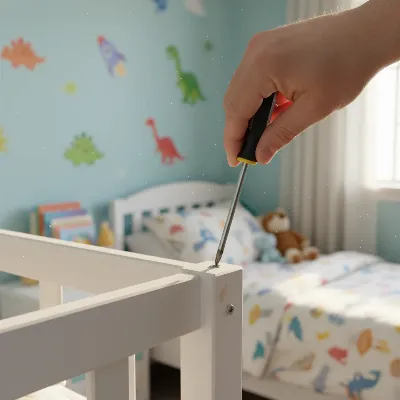 A parent inspecting the safety features of a bunk bed in a child's bedroom
Approximate Price Range for Bunk Beds (USD)
The cost of a bunk bed with built-in trundles and drawers can vary significantly based on material, size, design complexity, and brand. The following table provides a general reference for approximate price ranges in USD.
| Type of Bunk Bed | Approximate Price Range (USD) |
|---|---|
| Pine Wood Bunk Bed (with Trundle/Drawers) | $500 – $1,200 |
| Hardwood/Engineered Wood Bunk Bed (with Trundle/Drawers) | $800 – $2,500+ |
| Metal Bunk Bed (with Trundle/Drawers) | $300 – $800 |
| Plastic Bunk Bed (primarily for young children) | $150 – $400 |
Note: These prices are estimates and can fluctuate based on market conditions, retailer promotions, specific features, and regional differences.
Conclusion
Choosing the best bunk bed with built-in trundles and drawers is a smart investment for any home looking to maximize space and enhance functionality. These versatile furniture pieces offer ingenious solutions for accommodating extra sleepers, providing ample storage, and creating an organized environment, all while adding a touch of adventure or sophistication to a room. From robust wooden frames that exude warmth to sleek metal designs prioritizing strength, there’s a perfect bunk bed out there to meet diverse needs and aesthetic preferences.
Remember to prioritize safety by adhering to age guidelines and regularly checking all structural components, ensuring guardrails are secure, and teaching proper usage. With careful consideration of materials, size, and design, along with consistent maintenance, your bunk bed will serve as a cherished and practical centerpiece for years. What innovative ways will you use your new bunk bed to transform your living space?
Frequently Asked Questions
What age is appropriate for a top bunk bed?
Children aged six years and older are generally considered appropriate for the top bunk of a bunk bed. This recommendation is due to the need for sufficient coordination, balance, and understanding of safety rules to prevent falls and injuries.
Can bunk beds with trundles and drawers be separated into two individual beds?
Some bunk bed models, particularly many wooden designs, are convertible and can be separated into two individual twin or full-sized beds. This offers greater flexibility as children grow or if room arrangements change. Always check the product specifications for convertibility.
How much space should be between the top bunk and the ceiling?
It is recommended to have at least 30 inches (approximately 76 cm) of clearance between the top bunk mattress and the ceiling. This ensures that the person sleeping on the top bunk can sit up comfortably and safely without hitting their head.
Are bunk beds with stairs safer than those with ladders?
Bunk beds with stairs are often considered safer than those with traditional ladders, especially for younger children. Stairs provide a more stable and wider climbing surface, often with handrails, reducing the risk of slips and falls, and can also incorporate storage within the steps.
How do built-in drawers impact the stability of a bunk bed?
Built-in drawers, especially when integrated into the base or staircase of a bunk bed, typically enhance the overall stability and structural integrity of the unit. They add weight and rigidity to the frame, making the Bunk Bed feel more solid and secure compared to models without integrated storage.