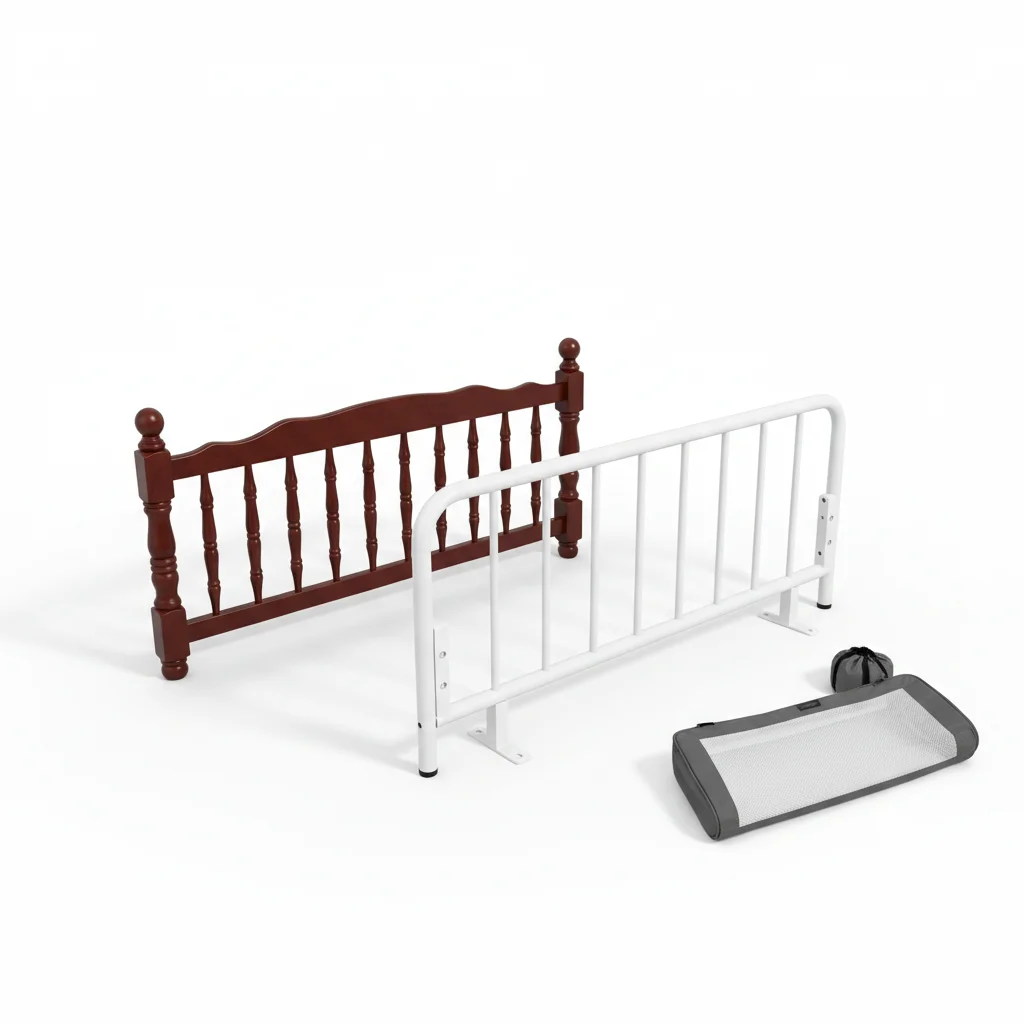
Bunk bed safety rails are a critical component for preventing falls, and while often associated with younger children, they are indeed necessary for users of all ages, especially on the top bunk. The Consumer Product Safety Commission (CPSC) mandates guardrails on both sides of the upper bunk for beds sold in the United States, with specific height requirements to ensure adequate protection. Even adults can benefit from the added security, particularly if they are restless sleepers or if the bunk bed is positioned in a way that increases the risk of a fall.
Understanding CPSC Guidelines for Bunk Bed Safety Rails
The CPSC sets clear standards for bunk bed safety rails to minimize the risk of injury. For the top bunk, guardrails must be present on both sides. The rail on the side adjacent to the wall must extend the entire length of the bed, while the rail on the open side must extend for at least two-thirds of the bed’s length. Crucially, the top of the guardrail must be at least 5 inches above the top of the mattress to prevent a child from rolling over it. These regulations are designed to provide a substantial barrier against accidental falls, which are a leading cause of bunk bed-related injuries. For explore our bunk beds reviews on this site.
When purchasing a new bunk bed, always verify that it meets these CPSC standards. For older bunk beds or those acquired second-hand, it’s essential to inspect the existing rails for compliance and consider adding supplemental rails if they do not meet current safety requirements.
Why Adults and Teens Also Need Safety Rails
While the image of a child falling from a bunk bed is often what comes to mind, adults and teenagers are not immune to such accidents. Restless sleepers, individuals who frequently change positions during the night, or those who may be disoriented upon waking can all benefit from the presence of safety rails. Furthermore, if the bunk bed is used in a guest room or a rental property, having robust safety rails ensures a safer sleeping environment for a wider range of occupants, regardless of their age or familiarity with bunk beds.
The perception that safety rails are only for young children can lead to complacency. However, the physics of a fall from a top bunk remain the same for any age, and the potential for serious injury is significant. Therefore, prioritizing safety rails for all users is a responsible approach to bunk bed ownership.
Types of Bunk Bed Safety Rails and Installation
|
Our Picks for the Best Bunk Bed in 2026
As an Amazon Associate I earn from qualifying purchases.
|
||
| Num | Product | Action |
|---|---|---|
| 1 | Disney Princess Loft Bed Tent - Curtain Set for Low Twin Loft Bed (Bed Sold Separately) by Delta Children |

|
| 2 | Zinus Narrow Twin Mattress (30” Wide x 75” Long), 6 Inch Foam & Spring Hybrid Mattress for Bunk Beds, Trundles, RVs & Compact Spaces, Medium Firm Feel, CertiPUR-US Certified |
|
| 3 | Twin Over Twin Metal Bunk Bed with LED Lights, USB Charging Station, 2 Drawers, Guard Rails & Ladder – No Box Spring Needed, Easy Assembly, White |
|
| 4 | Delta Children Twin Loft Bed with Guardrail and Ladder + Tent (Bundle), White/Disney Princess |
|
| 5 | FDW | 6 Inch Twin Mattress | Medium Firm | Gel Memory Foam Mattress | White | Bed in a Box, CertiPUR-US Certified | Pressure Relief, Cooling Ventilated Foam | Washable Removable Cover |
|
| 6 | Students Dorm Bunk Bed Curtain Home Privacy Bed Shading Curtain Net Bed Cloth Dustproof Blackout Bed Canopy Bedding Curtain Students Dormitory Tent Lightproof Cloth Bedding Canopy Spread Curtain |
|
| 7 | Breling Bunk Bed Privacy Curtains 3 Panel Play Curtain Set for Low Bunk Loft Bed with Felt Flag Double-Layer Gauze Playhouse Accessories with Tote Bags for Boy Girl Birthday Party Gift |
|
| 8 | Spider-Man Loft Bed Tent - Curtain Set for Low Twin Loft Bed (Bed Sold Separately) by Delta Children |
|
| 9 | VIAGDO Low Loft Bed Twin Size with 9 Storage Drawers and LED Lights, Metal Twin Loft Bed with Stairway Shelf Storage, Low Loft Bed with Safety Guardrail and Under-Bed Hideaway for Kids, White |
|
| 10 | DICTAC Twin Over Twin Bunk Bed with 8 Storage Drawers and Led Lights Metal Bunk Beds with Storage Headboard and Charging Station,L-Shaped bunk Bed for Kids/Teen with Safety Guardrail and Ladder,Black |
|
Bunk bed safety rails come in various designs and materials, including wood, metal, and even fabric mesh. Integrated rails are built directly into the bunk bed frame, offering the most secure option. Detachable or add-on rails are also available, providing flexibility for older beds or those that lack sufficient protection. When installing add-on rails, it is crucial to ensure they are securely fastened to the bed frame according to the manufacturer’s instructions. Loose or improperly installed rails can pose a greater hazard than no rails at all.
- Integrated rails: Part of the original bunk bed design, offering maximum stability.
- Clamp-on rails: Attach to the side of the bed frame with clamps, often adjustable.
- Screw-in rails: Require drilling into the bed frame for a permanent and secure fit.
- Mesh rails: Lighter and often used for travel or temporary solutions, but must be CPSC compliant.
- Universal rails: Designed to fit a variety of bunk bed styles, but always check compatibility.
Maintaining and Inspecting Bunk Bed Safety Rails
Regular maintenance and inspection of bunk bed safety rails are vital for ongoing safety. Over time, screws can loosen, wood can crack, or metal components can bend. It is recommended to check all fasteners and connections periodically, tightening any loose screws and replacing damaged parts immediately. Pay close attention to the points where the rails attach to the bed frame, as these areas experience the most stress. For wooden rails, inspect for splinters or rough edges that could cause injury. For metal rails, check for rust or sharp edges.
By proactively maintaining the safety rails, you can ensure they continue to provide the necessary protection against falls, keeping all bunk bed users safe and secure.
Get our weekly buyer guide
Practical specs, not advice. Unsubscribe anytime.

I was really on the fence about getting safety rails for my teen’s bunk bed, thinking they were just for little kids. But after reading about the CPSC guidelines and how even adults can benefit, I decided to go for it. It’s given me so much peace of mind, especially since he’s a pretty restless sleeper. Definitely a worthwhile investment for any top bunk.
I’ve always been a big proponent of bunk beds for maximizing space, but safety is always my number one concern. This really highlighted why guardrails on both sides of the upper bunk are non-negotiable. It’s not just about kids; anyone can roll out. I made sure to double-check that our current setup adheres to all the mandates.
The safety rails we got are pretty sturdy, and I appreciate knowing they meet the CPSC height requirements. My only complaint is that the rail on the open side doesn’t extend the entire length of the bed, which feels a little less secure than I’d hoped. It’s fine for my older child, but I’d prefer full coverage.
We just installed a new bunk bed for our guest room, and I hadn’t really considered safety rails for adult guests. The point about them being necessary for users of all ages, especially on the top bunk, really resonated. It was easy to find rails that fit our bed and now I feel much better about anyone sleeping up there. Good to know about the wall-side rail needing to be full length too.