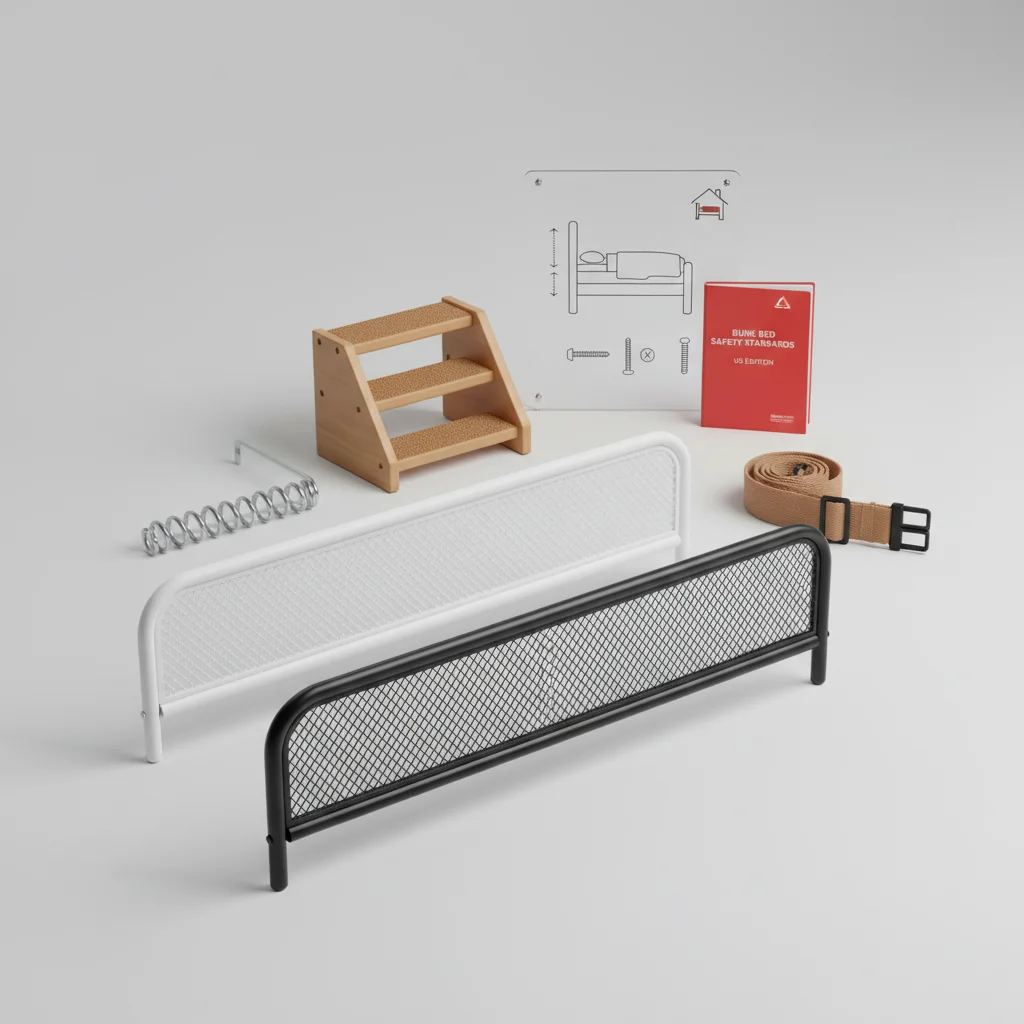
Understanding bunk bed safety standards is crucial for ensuring the well-being of children and adults using these versatile sleeping solutions. In the United States, the Consumer Product Safety Commission (CPSC) sets mandatory safety standards for bunk beds, primarily outlined in 16 CFR Part 1513. These regulations address critical aspects such as structural integrity, guardrail requirements, and entrapment hazards, aiming to prevent injuries and fatalities associated with bunk bed use.
CPSC Bunk Bed Safety Regulations Explained
The CPSC’s mandatory safety standard for bunk beds (16 CFR Part 1513) is a comprehensive document designed to minimize risks. Key provisions include requirements for guardrails on both sides of the upper bunk, with specific height and length specifications to prevent falls. The standard also dictates the maximum permissible openings between components to prevent head and neck entrapment, a common hazard for younger children. Manufacturers must adhere to these guidelines during design and production, and all bunk beds sold in the U.S. must comply. For bunk beds buying guides on this site.
Beyond the mandatory standards, voluntary standards developed by organizations like ASTM International (e.g., ASTM F1427) often provide additional guidance and best practices for bunk bed design and construction. While not legally binding, these voluntary standards are frequently adopted by reputable manufacturers to further enhance product safety and quality. Consumers should look for bunk beds that meet both CPSC mandatory standards and, ideally, relevant ASTM voluntary standards.
Guardrail Requirements for Upper Bunks
Guardrails are a cornerstone of bunk bed safety. CPSC regulations mandate that the upper bunk must have guardrails on both sides. The guardrail on the side adjacent to the wall must extend for the entire length of the bed. The guardrail on the open side (the side used for entry/exit) must extend for at least two-thirds of the length of the bed, leaving an opening for the ladder or stairs. These guardrails must be at least 5 inches (12.7 cm) above the sleeping surface to prevent occupants from rolling out. Proper installation and regular inspection of guardrails are essential to maintain their effectiveness.
Preventing Entrapment Hazards
|
Our Picks for the Best Bunk Bed in 2026
As an Amazon Associate I earn from qualifying purchases.
|
||
| Num | Product | Action |
|---|---|---|
| 1 | DICTAC Twin Over Twin Bunk Bed with 8 Storage Drawers and Led Lights Metal Bunk Beds with Storage Headboard and Charging Station,L-Shaped bunk Bed for Kids/Teen with Safety Guardrail and Ladder,Black |

|
| 2 | Breling Bunk Bed Privacy Curtains 3 Panel Play Curtain Set for Low Bunk Loft Bed with Felt Flag Double-Layer Gauze Playhouse Accessories with Tote Bags for Boy Girl Birthday Party Gift |
|
| 3 | VIAGDO Low Loft Bed Twin Size with 9 Storage Drawers and LED Lights, Metal Twin Loft Bed with Stairway Shelf Storage, Low Loft Bed with Safety Guardrail and Under-Bed Hideaway for Kids, White |
|
| 4 | Disney Princess Loft Bed Tent - Curtain Set for Low Twin Loft Bed (Bed Sold Separately) by Delta Children |
|
| 5 | Zinus Narrow Twin Mattress (30” Wide x 75” Long), 6 Inch Foam & Spring Hybrid Mattress for Bunk Beds, Trundles, RVs & Compact Spaces, Medium Firm Feel, CertiPUR-US Certified |
|
| 6 | Twin Over Twin Metal Bunk Bed with LED Lights, USB Charging Station, 2 Drawers, Guard Rails & Ladder – No Box Spring Needed, Easy Assembly, White |
|
| 7 | FDW | 6 Inch Twin Mattress | Medium Firm | Gel Memory Foam Mattress | White | Bed in a Box, CertiPUR-US Certified | Pressure Relief, Cooling Ventilated Foam | Washable Removable Cover |
|
| 8 | Spider-Man Loft Bed Tent - Curtain Set for Low Twin Loft Bed (Bed Sold Separately) by Delta Children |
|
| 9 | Delta Children Twin Loft Bed with Guardrail and Ladder + Tent (Bundle), White/Disney Princess |
|
| 10 | Students Dorm Bunk Bed Curtain Home Privacy Bed Shading Curtain Net Bed Cloth Dustproof Blackout Bed Canopy Bedding Curtain Students Dormitory Tent Lightproof Cloth Bedding Canopy Spread Curtain |
|
Entrapment is a significant concern, particularly for young children. The CPSC standard specifies maximum permissible openings between various components of the bunk bed, such as between the guardrail and the mattress, or between slats. These openings are designed to be too small for a child’s head or torso to pass through, thereby preventing strangulation or wedging. For instance, any opening must not permit the passage of a 3.5-inch diameter sphere. It’s crucial for consumers to ensure that there are no gaps in their bunk bed that could pose an entrapment risk, especially if using a mattress that is not the recommended size for the frame.
Weight Capacity and Structural Integrity
While the CPSC standard primarily focuses on entrapment and fall prevention, structural integrity is implicitly covered through general product safety requirements. Manufacturers typically provide a recommended weight capacity for both the upper and lower bunks. Adhering to these limits is vital to prevent structural failure and potential injury. Overloading a bunk bed can compromise its stability and lead to dangerous situations. Always check the manufacturer’s specifications for weight limits and ensure they are not exceeded.
- Always follow manufacturer assembly instructions precisely.
- Regularly check all bolts, screws, and fasteners for tightness.
- Ensure the mattress fits snugly within the bunk bed frame.
- Educate children on safe bunk bed use, including no jumping.
- Place the bunk bed away from windows, cords, and other hazards.
Choosing a Safe Bunk Bed
When purchasing a bunk bed, prioritize safety features. Look for certifications from recognized safety organizations and always verify that the product complies with CPSC standards. Consider the age of the intended users; children under six years old should not sleep on the upper bunk. Evaluate the quality of materials and construction, and read reviews from other consumers. A sturdy, well-designed bunk bed will offer years of safe use.Investing in a bunk bed that meets stringent safety standards provides peace of mind and a secure sleeping environment.
Maintenance and Ongoing Safety Checks
Even after assembly, ongoing maintenance is key to ensuring bunk bed safety. Regularly inspect the bed for any signs of wear and tear, such as loose joints, cracked wood, or bent metal. Tighten all fasteners periodically, as they can loosen over time with use. Check guardrails to ensure they are secure and at the correct height. If any part of the bunk bed becomes damaged, it should be repaired or replaced immediately.Following these simple maintenance steps can significantly extend the life of your bunk bed and maintain its safety features.
Get our weekly buyer guide
Practical specs, not advice. Unsubscribe anytime.

This was a good read. I’ve always been a bit nervous about bunk beds, especially with younger kids. Understanding the entrapment hazard guidelines and how they prevent little ones from getting stuck was a huge relief. It made me feel much more confident in our purchase, knowing the bed we chose adheres to these important safety measures.
While the information on structural integrity was useful, I wish there was a bit more guidance on how to easily check if an older bunk bed meets these CPSC standards. We have a hand-me-down, and it’s hard to tell if it’s up to par without a clear checklist. It’s still good to know what the regulations are, but applying them to existing furniture is tricky.
I’m so glad I found this information before buying a new bunk bed for my kids. The details about the CPSC’s 16 CFR Part 1513 were incredibly helpful. It really put my mind at ease knowing what to look for regarding guardrail height and length. We ended up getting a model that clearly met all the standards, and my kids love it!
Fantastic breakdown of the bunk bed safety standards. I was particularly interested in the guardrail requirements for the upper bunk, as our previous one felt a bit flimsy. This helped me understand why those specific height and length specs are so important. We invested in a much safer option this time around, and it’s made a big difference.